How Design Graphic Can Help You Build a Consistent, Recognizable Brand
When you're building your small business, every detail counts. The way you present yourself, from your packaging to your social media posts, tells your customers a story. A critical part of that story is your typography—the fonts you choose. Today, let's explore how a specific font, Design Graphic, can become a versatile tool in your branding toolkit, helping you look consistent, professional, and trustworthy across all your business materials.
Understanding the Personality of Design Graphic
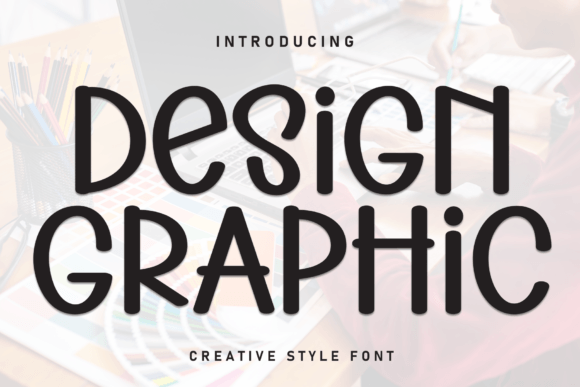
Design Graphic is a sweet and friendly handwritten script font. Its style is cute and fun, with a personality that feels approachable and warm. This isn't a formal, rigid typeface; it’s expressive and human. The overall visual appeal leans towards whimsy and charm, making it ideal for businesses that want to connect with customers on a personal, emotional level. Think of the mood it creates: welcoming, genuine, and a little bit playful. For a small business owner, this means your brand materials can instantly feel more relatable and less corporate.
Putting Design Graphic to Work in Your Real Business Materials
The true value of a font like Design Graphic isn't just in how it looks on a screen, but in how it performs across the countless touchpoints where your customers meet your brand. Its handwritten, script amp style makes it perfect for accenting and adding personality.
Physical and Print Applications
- Product Labels & Packaging: For a handmade candle, a batch of artisan cookies, or a line of natural skincare products, Design Graphic can beautifully render the product name or key ingredient callouts. Its friendly style elevates simple packaging into something that feels special and lovingly crafted.
- Business Cards & Thank-You Notes: Using Design Graphic for your name or a short tagline on a business card immediately makes you memorable. A handwritten-style thank-you card included with an order reinforces a personal customer relationship.
- Menus & Flyers: A café or boutique can use Design Graphic for section headers or special offers on a menu or promotional flyer. It draws attention without feeling loud or aggressive.
- Stickers & Merchandise: Small decorative stickers for packaging or simple branded merchandise (like a tote bag) gain an instant handmade vibe with this font.
Digital and Online Presence
- Website Banners & Headers: Using Design Graphic as a display font for key headlines on your website’s hero section can set a welcoming tone right from the start.
- Social Media Graphics: For Instagram posts announcing a new product, Pinterest graphics for a DIY tutorial, or Facebook ads for a seasonal sale, this font adds a fun touch that stands out in a feed often dominated by clean, minimalist fonts.
- Logo & Brand Marks: While many logos require simplicity for scalability, Design Graphic can be an excellent choice for a boutique, bakery, or creative service logo where personality is paramount. It can be used as the primary logo typeface or as an accent element within a more complex mark.
- Digital Ads & Email Headers: In a crowded digital space, a friendly, handwritten font can catch the eye and feel less like an interruption, more like an invitation.
Building Professionalism and Trust Through Typography
A consistent, chosen font like Design Graphic does more than just look nice. It builds recognition. When customers see the same friendly handwriting style on your Instagram story, your product label, and your website banner, they begin to subconsciously recognize and trust your brand. This consistency signals that you are deliberate and professional. It aligns your visual identity with your target customers—if you're selling handmade, heartfelt, or personalized products, this font speaks directly to that audience. It makes your business memorable because the aesthetic is cohesive and distinct from competitors who might use default, impersonal fonts.
Where and How to Use Design Graphic in Your Layouts
For practical use, treat Design Graphic primarily as a headline, display, or accent font. Its decorative nature means it's best for short phrases, names, titles, and callouts where you want to inject personality. It should typically not be used for long paragraphs of body text, as its script style can impact readability at small sizes or in lengthy blocks. Instead, pair it with a more readable supporting typeface for longer content.
Practical Considerations for Readability and Testing
Always consider the final medium. Test Design Graphic at the actual size it will be used. On a small product label, ensure key words are still clear. On a mobile screen, check that a social media graphic headline is legible even as a thumbnail. For printed packaging, look at a proof to see if the charming details of the script translate well to paper. Before committing to using Design Graphic across your entire brand, create a few test mockups—a business card, a social post, a label. See how it feels alongside your other design elements and if it truly represents your brand's voice.
Simple and Effective Font Pairing Strategies
A decorative script font like Design Graphic shines when paired with a simple, neutral typeface. This creates balance and ensures your materials remain easy to read.
- Pair with a Clean Sans Serif: This is a classic and highly effective combination. Use a simple, modern sans serif font for all your body text, paragraphs, and secondary information. The contrast allows Design Graphic to be the expressive star while the sans serif provides a solid, readable foundation.
- Pair with a Readable Serif Font: For a slightly more traditional or elegant feel, a straightforward serif font can also work well. This pairing might suit businesses like a boutique or a specialty food brand that wants a touch of classic charm alongside the friendly script.
- The key is to let Design Graphic handle the emotional, personality-driven words, and let its partner handle the practical, informative text. This makes your overall design assets both attractive and functional.
A Final, Essential Step: Checking Commercial Licensing
As a business owner, it's crucial to understand font licensing. Before you use Design Graphic on physical products, packaging, merchandise, client work, or digital templates you sell, you must verify its commercial license. Many fonts, including premium ones like this, require a specific commercial license for these uses. Using a font without the proper license can lead to legal issues. Always check the license provided with the font file to ensure your usage—whether for your own brand identity or for products you create for clients—is fully covered. This protects your business and respects the work of the typeface designer.
Choosing your brand's typography is a powerful decision. A font like Design Graphic offers a specific, warm, and friendly personality that can be woven throughout your customer's entire experience with your brand. By using it strategically as an accent across your print and digital materials, and pairing it wisely with more readable typefaces, you can build a visual identity that feels consistent, recognizable, and authentically you.